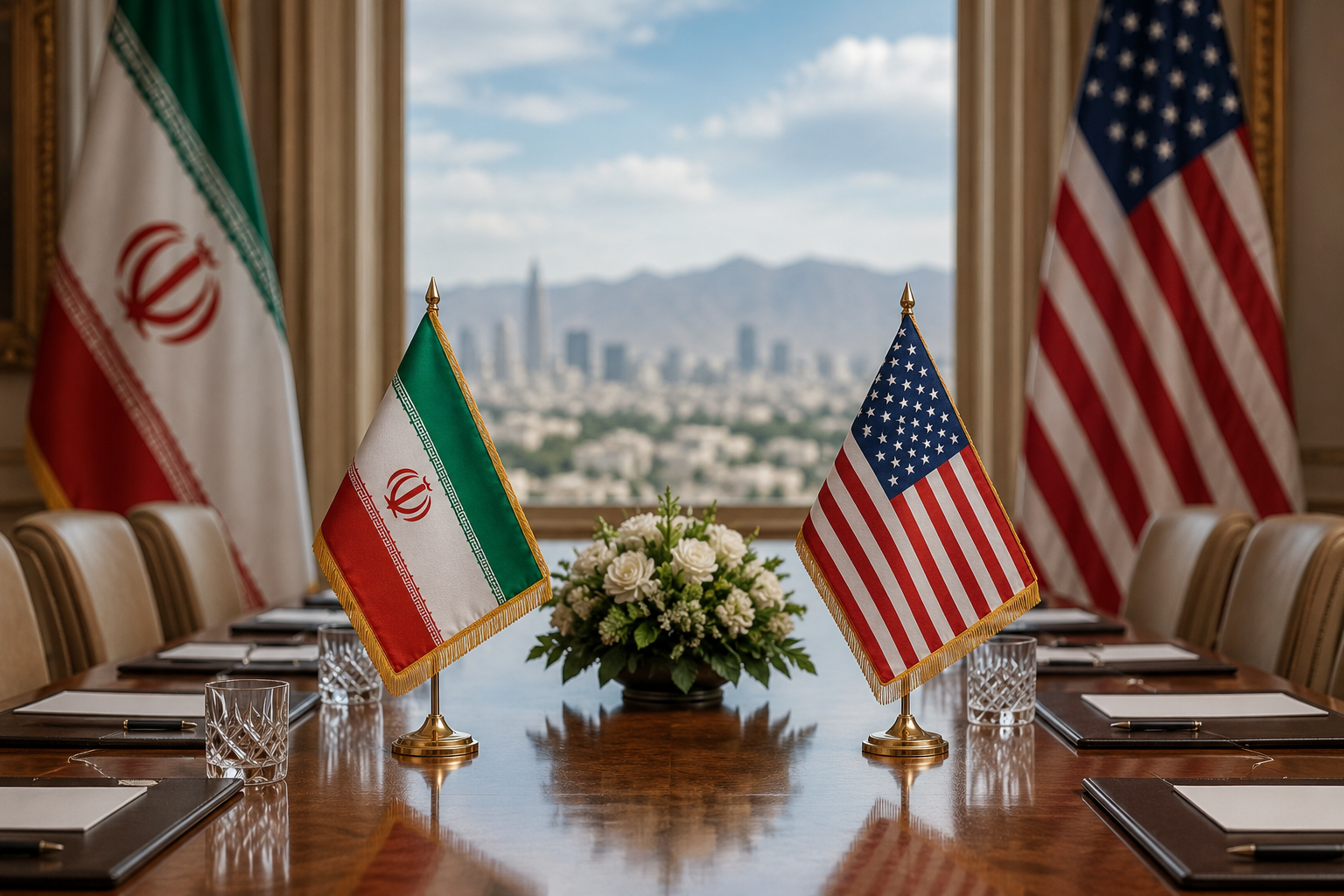
Tehran Expected to Deliver Position Through Mediators Amid Growing Hopes for Ceasefire and Nuclear Understanding
According to international media reports citing regional sources, the Iranian leadership is currently reviewing the framework proposal, which is aimed at reducing tensions, establishing a temporary ceasefire mechanism, and opening the door for broader negotiations related to Iran’s nuclear programme and regional security concerns.
The development is being viewed as one of the most serious diplomatic efforts in recent months to prevent further escalation in the Gulf region, where geopolitical tensions have repeatedly impacted global financial markets and energy prices.
Proposed Deal May Include Sanctions Relief and Nuclear Pause
Reports suggest the proposed framework revolves around a short-term memorandum containing multiple points focused on stabilising the region. The plan reportedly seeks to establish a 30-day negotiation period during which both sides would continue discussions on a long-term political and nuclear arrangement.
Under the reported terms, Iran may agree to temporarily suspend parts of its uranium enrichment activities. In exchange, Washington could begin easing economic sanctions and facilitate access to billions of dollars in frozen Iranian assets held overseas.
The proposal also reportedly includes efforts to reduce military and shipping tensions in the Strait of Hormuz, one of the world’s most critical oil transit corridors. Any reduction in instability around the waterway could provide relief to global crude oil markets and international shipping operators.
Market analysts believe easing tensions between Tehran and Washington could help stabilise energy prices, improve investor sentiment in emerging markets, and reduce fears of supply disruptions across global commodity markets.
Backchannel Negotiations Intensify
The diplomatic process is reportedly being coordinated by US envoys Steve Witkoff and Jared Kushner, who are believed to be engaging with Iranian representatives through both direct discussions and third-party intermediaries.
Sources familiar with the negotiations indicate that future technical discussions could potentially be shifted to neutral locations such as Geneva or Islamabad if the preliminary understanding progresses further.
Officials in Washington reportedly view the ongoing diplomatic contacts as a positive sign, although concerns remain regarding divisions within Iran’s leadership and the complexity of reaching consensus on long-term nuclear restrictions.
Nuclear Enrichment Timeline Remains Key Hurdle
One of the central disagreements in the negotiations reportedly concerns the duration of any moratorium on Iran’s uranium enrichment programme. While the US is believed to favour a long-term restriction period, Tehran is reportedly pushing for a significantly shorter commitment.
Additional proposals under discussion include stricter inspection mechanisms, limitations on underground nuclear facilities, and enhanced monitoring by international agencies. Reports also suggest discussions may involve the future handling of Iran’s stockpile of highly enriched uranium.
Despite diplomatic momentum, officials on both sides remain cautious. Analysts warn that several parts of the framework remain conditional and dependent on future negotiations, leaving the possibility of renewed tensions or stalled talks still very real.
Global Markets Closely Monitoring Developments
Investors, oil traders, and geopolitical analysts are closely tracking Tehran’s expected response, as any breakthrough could influence global commodity markets, energy supply chains, and broader investor confidence.
A successful diplomatic outcome could ease geopolitical pressure across West Asia and provide stability to global crude oil prices, while failure to reach common ground could trigger renewed uncertainty across financial and energy markets worldwide.
The coming days are expected to be critical in determining whether the latest diplomatic efforts evolve into a formal agreement or lead to another phase of regional confrontation.