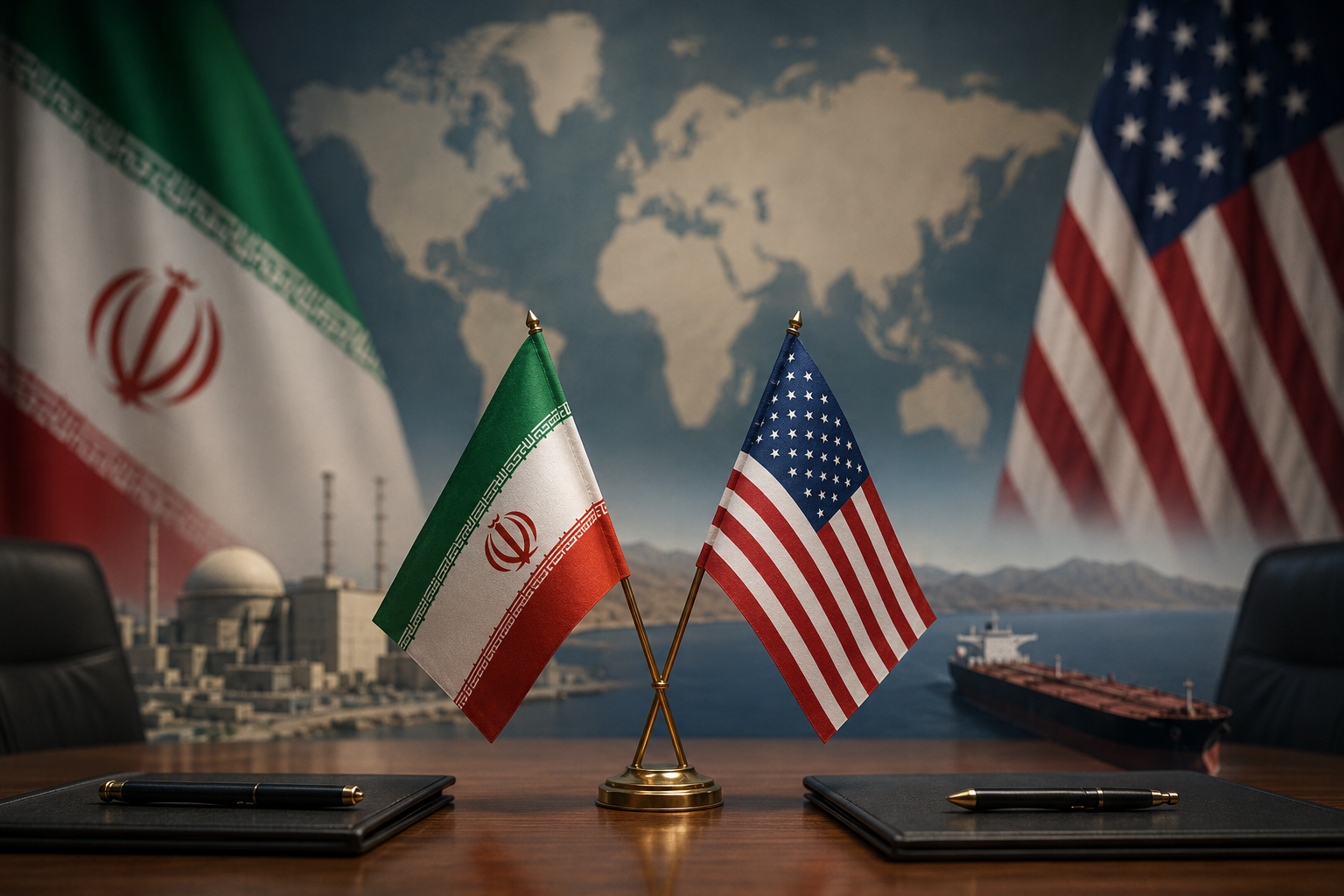
Parliament Speaker Mohammad-Bagher Ghalibaf Dismisses Axios Report While Diplomatic Efforts Between Tehran and Washington Intensify
In a sharp response posted on X, Ghalibaf mocked recent reporting by Axios, calling the reports “Operation Fauxios.” He accused sections of the American media of repeatedly circulating unverified stories based on unnamed sources, claiming such narratives are later proven inaccurate.
The comments came after reports emerged suggesting that the two nations are discussing a preliminary framework aimed at reducing hostilities and restarting broader negotiations surrounding Iran’s nuclear programme. According to the report, officials from both countries have been involved in backchannel communications focused on avoiding further escalation in the region.
Proposed Framework Could Include Temporary Ceasefire
Sources cited in the report claimed that negotiators are considering a short-term memorandum that could temporarily ease tensions between the two sides. The proposed framework reportedly includes a limited suspension of Iran’s uranium enrichment activities in exchange for phased sanctions relief and access to frozen Iranian financial assets held abroad.
The understanding could also help reduce military tensions in the strategically important Strait of Hormuz, a critical global energy shipping route through which a major portion of the world’s crude oil supply passes.
Analysts believe any improvement in relations between Tehran and Washington could have a direct impact on global crude oil prices, shipping costs, and broader financial market sentiment. Energy traders are closely monitoring developments as geopolitical uncertainty in the Gulf region remains elevated.
Nuclear Restrictions Remain Major Challenge
One of the biggest obstacles in the negotiations continues to be the duration and scope of Iran’s nuclear restrictions. Reports suggest the US is seeking a long-term halt on advanced uranium enrichment activities, while Tehran prefers a significantly shorter commitment period.
Discussions are also believed to include stricter international inspections, limitations on underground nuclear facilities, and monitoring mechanisms overseen by international agencies. Another sensitive proposal under consideration reportedly involves the handling of Iran’s highly enriched uranium stockpile.
Diplomatic sources indicate that future technical discussions could potentially take place in Geneva or Islamabad if preliminary understandings move forward.
White House Remains Cautious Despite Diplomatic Progress
Despite reports of progress, officials in Washington remain cautious about the possibility of reaching a final agreement. Concerns reportedly persist over divisions within Iran’s political leadership and the complexity of securing consensus on long-term nuclear commitments.
US Secretary of State Marco Rubio acknowledged that substantial technical and political challenges remain unresolved. He stressed that any future agreement would require clear commitments from both sides regarding sanctions, inspections, and nuclear limitations.
Meanwhile, diplomatic efforts are reportedly being coordinated through both direct and indirect communication channels involving US envoys and regional intermediaries.
Global Markets Watching Closely
Financial markets, energy traders, and geopolitical analysts are now closely watching the next phase of developments. Any breakthrough in negotiations could ease pressure on global oil supply chains and improve investor confidence, particularly in energy-sensitive sectors.
However, analysts caution that the negotiations remain fragile, with the risk of renewed tensions still high if disagreements over enrichment timelines, sanctions relief, or inspection mechanisms derail the talks.
The coming days are expected to play a decisive role in determining whether the current diplomatic momentum evolves into a broader agreement or slips back into uncertainty and confrontation.