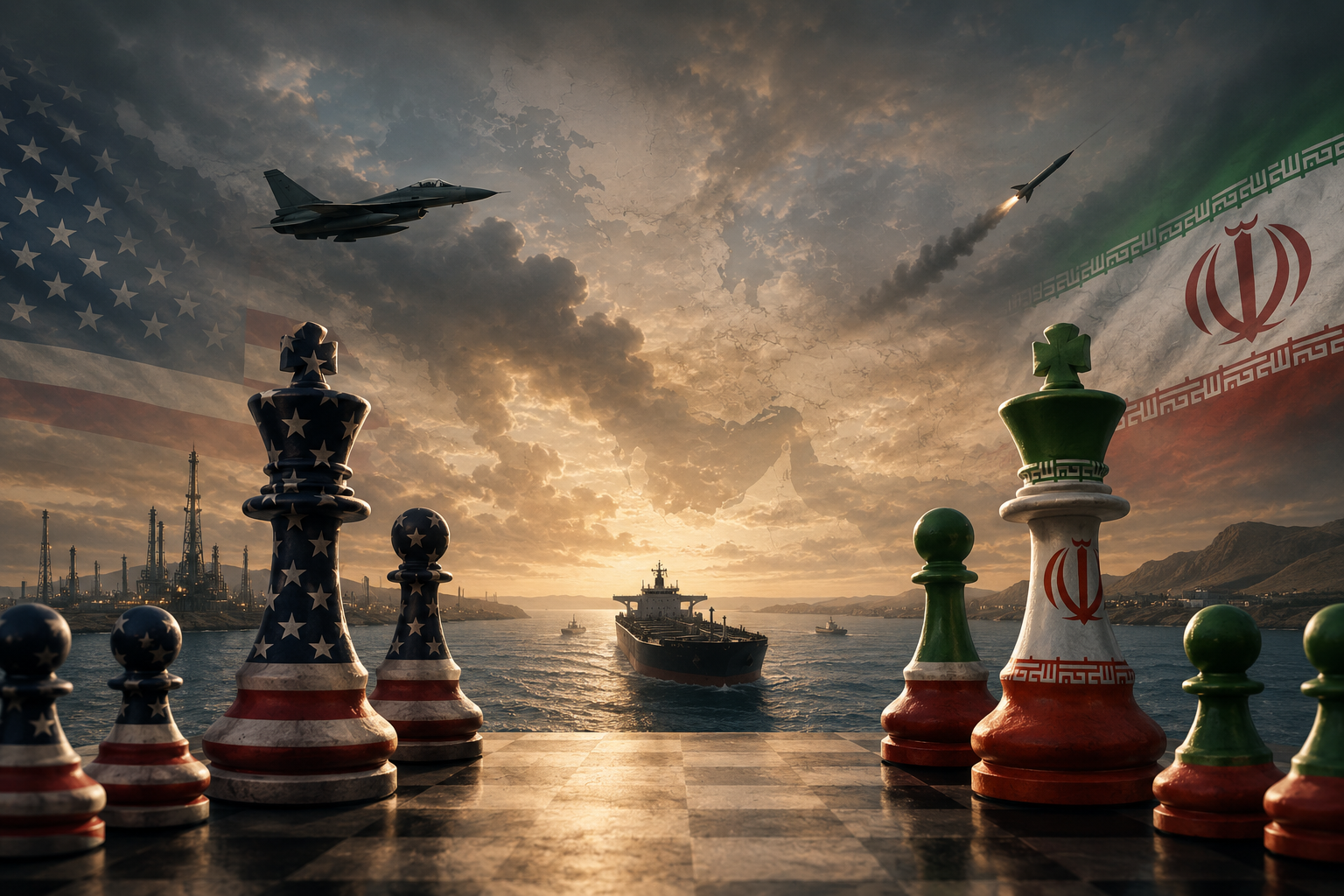
Economic Sanctions, Military Moves and Hormuz Tensions Fail to Push Tehran Toward Immediate Surrender
U.S. President Donald Trump is escalating pressure on Iran through military action, economic restrictions and strategic moves around the Strait of Hormuz, but experts warn that Washington may still be far from securing a decisive breakthrough.
The ongoing standoff has evolved into a prolonged geopolitical and economic battle, with both sides attempting to test each other’s endurance. While Trump continues to project confidence about forcing Tehran into negotiations, analysts say Iran’s leadership appears determined to resist pressure rather than surrender to it.
Multiple Strategies, Limited Results
Over the past several months, the United States has pursued a series of aggressive measures aimed at weakening Iran’s strategic and economic position. These efforts have included airstrikes targeting Iranian nuclear-linked facilities, expanded military coordination with Israel, tighter sanctions and attempts to disrupt Iran’s influence over shipping routes in the Gulf region.
Washington also recently announced plans to assist commercial vessels navigating through the Strait of Hormuz after attacks and threats disrupted maritime traffic. The waterway remains one of the world’s most important oil transit routes, carrying a significant share of global crude exports.
Despite these measures, shipping activity remains cautious, with several energy companies and tanker operators hesitant to fully resume normal operations due to security concerns.
Iran Signals Resistance Instead of Retreat
Foreign policy experts believe Iran’s leadership sees the confrontation as a long-term struggle where patience could work in its favor. Tehran has survived years of sanctions, diplomatic isolation and financial restrictions, and analysts say the government believes it can once again absorb economic pain longer than the United States can tolerate rising fuel prices and global market instability.
Iranian officials have repeatedly stated that they will not negotiate under direct pressure. Instead, Tehran wants guarantees that any future agreement would include lasting sanctions relief and protection from renewed military escalation.
According to geopolitical observers, Iran also fears that making concessions under pressure could encourage even tougher demands in the future.
Oil Markets Remain on Edge
Global energy markets continue to monitor developments closely as fears grow over potential disruptions in the Strait of Hormuz. Any prolonged interruption could impact oil supply chains across Asia, Europe and North America, increasing inflationary pressure worldwide.
Although Trump recently claimed that Iran’s oil infrastructure was nearing severe operational stress, energy analysts argue the country still has room to reduce production, store crude in older tankers and reroute portions of exports through neighboring regions.
Experts note that Iran previously managed to sharply cut oil production during earlier sanction periods without suffering irreversible infrastructure damage.
Nuclear Deal Shadow Still Looms
The current tensions also revive debates surrounding the 2015 Iran nuclear agreement. Under that deal, Iran had agreed to strict limits on uranium enrichment in exchange for sanctions relief. However, the United States withdrew from the agreement during Trump’s first presidential term and reinstated severe sanctions under the “maximum pressure” campaign.
Since then, Iran has gradually expanded its nuclear activities and significantly increased its enriched uranium stockpile. Western governments remain concerned about Tehran’s growing nuclear capabilities, while Iranian leaders insist their program is intended for peaceful purposes.
Diplomatic contacts between the two sides reportedly continue behind closed doors, but there is little indication of an immediate breakthrough.
Global Investors Watching Closely
The prolonged conflict is becoming a major concern for global financial markets. Investors are closely tracking crude oil prices, shipping disruptions and geopolitical developments in the Middle East, as uncertainty surrounding the region could influence inflation trends, central bank policies and global trade flows.
Market strategists believe any escalation in the conflict may trigger volatility across energy, defence and transportation sectors, while a diplomatic breakthrough could provide relief to international markets already dealing with slowing economic growth and inflation concerns.
For now, the standoff between Washington and Tehran appears set to continue, with neither side showing signs of backing down.