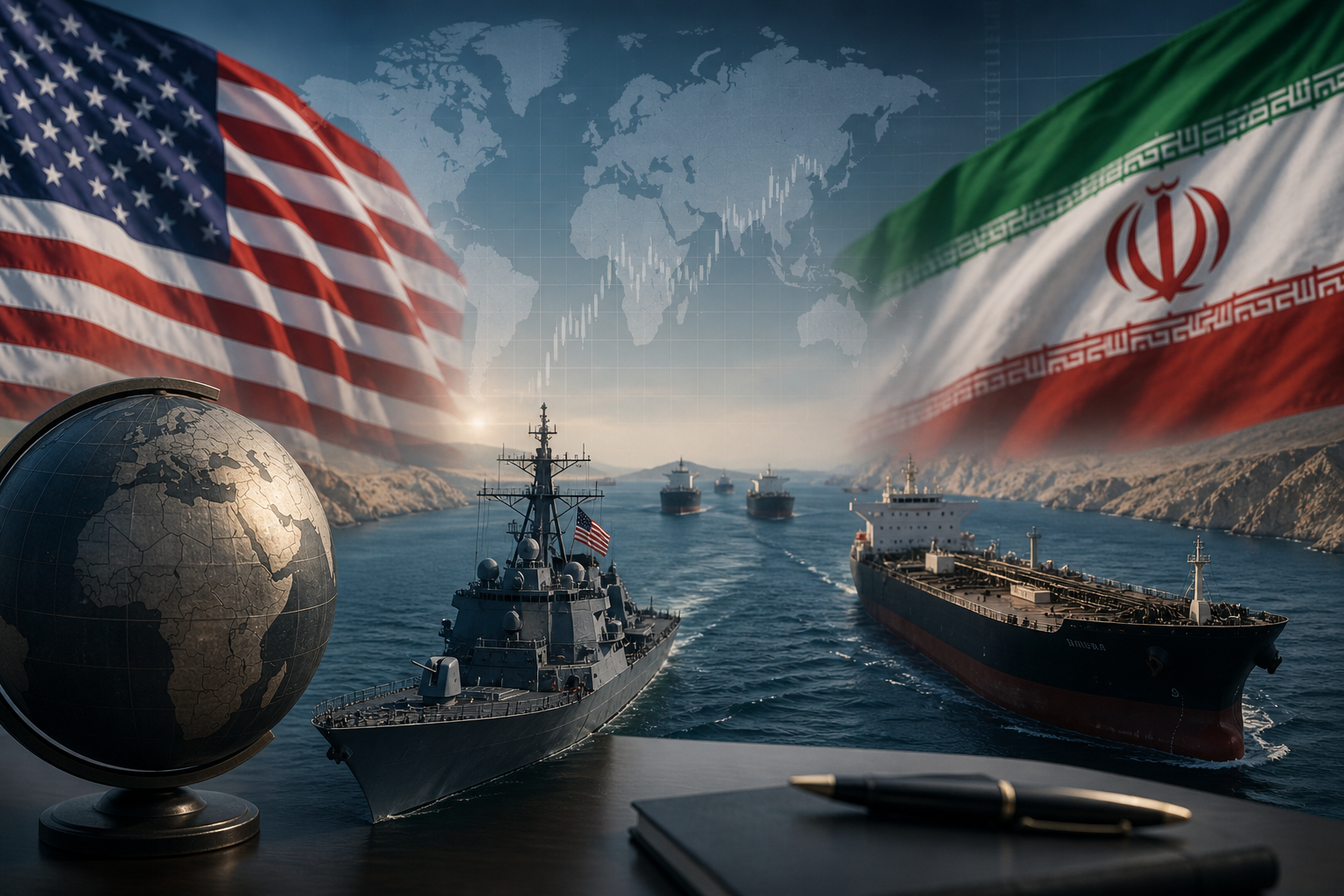
The administration of Donald Trump has asserted that the recent conflict with Iran has effectively ended following a ceasefire that began in early April. This interpretation is significant, as it could allow the White House to bypass the requirement under the War Powers Resolution to seek congressional authorization for military action extending beyond 60 days. According to senior officials, hostilities that began on February 28 have “terminated” since there have been no direct exchanges of fire after April 7. Defense Secretary Pete Hegseth reiterated this position during Senate testimony, suggesting that the legal clock tied to military engagement has effectively been paused. Despite the ceasefire, the situation on the ground—and at sea—remains tense. Iran continues to exert control over the critical Strait of Hormuz, a vital artery for global oil shipments. In response, the US Navy has maintained a strategic blockade aimed at restricting Iranian oil exports. This ongoing standoff has kept global energy markets on edge. Any disruption in the Strait of Hormuz, which handles a significant share of the world’s oil supply, could trigger sharp price volatility and impact inflation globally. Traders are closely monitoring developments for signs of escalation or resolution. Lawmakers from both parties are questioning the administration’s legal interpretation. Senator Susan Collins emphasized that the War Powers deadline is “not a suggestion but a requirement,” signaling growing bipartisan concern. Legal experts argue that the War Powers Resolution does not provide provisions to pause or terminate the 60-day clock based on a ceasefire. Critics warn that accepting such an interpretation could set a precedent expanding executive military authority without adequate legislative oversight. Some policy advisers have suggested reframing the mission entirely. Former National Security Council official Richard Goldberg has proposed transitioning to a new operation focused on ensuring freedom of navigation in the region, potentially redefining the conflict as a defensive mission rather than an ongoing war. Such a shift could provide legal and strategic flexibility while maintaining pressure on Iran to reopen maritime routes. From an investment perspective, the situation carries significant implications: While the US administration maintains that the Iran conflict has effectively ended, the reality remains complex. Legal disputes in Washington, ongoing naval tensions, and the strategic importance of the Strait of Hormuz ensure that this issue will continue to influence global markets. For investors, the evolving geopolitical landscape underscores the need for caution, diversification, and close monitoring of energy markets and policy developments.Strait of Hormuz Tensions Keep Risk Elevated
Congressional Pushback Intensifies
Strategic Shift or Tactical Pause?
Market Outlook: Oil, Inflation, and Investor Sentiment
Conclusion
The administration of Donald Trump has asserted that the recent conflict with Iran has effectively ended following a ceasefire that began in early April.