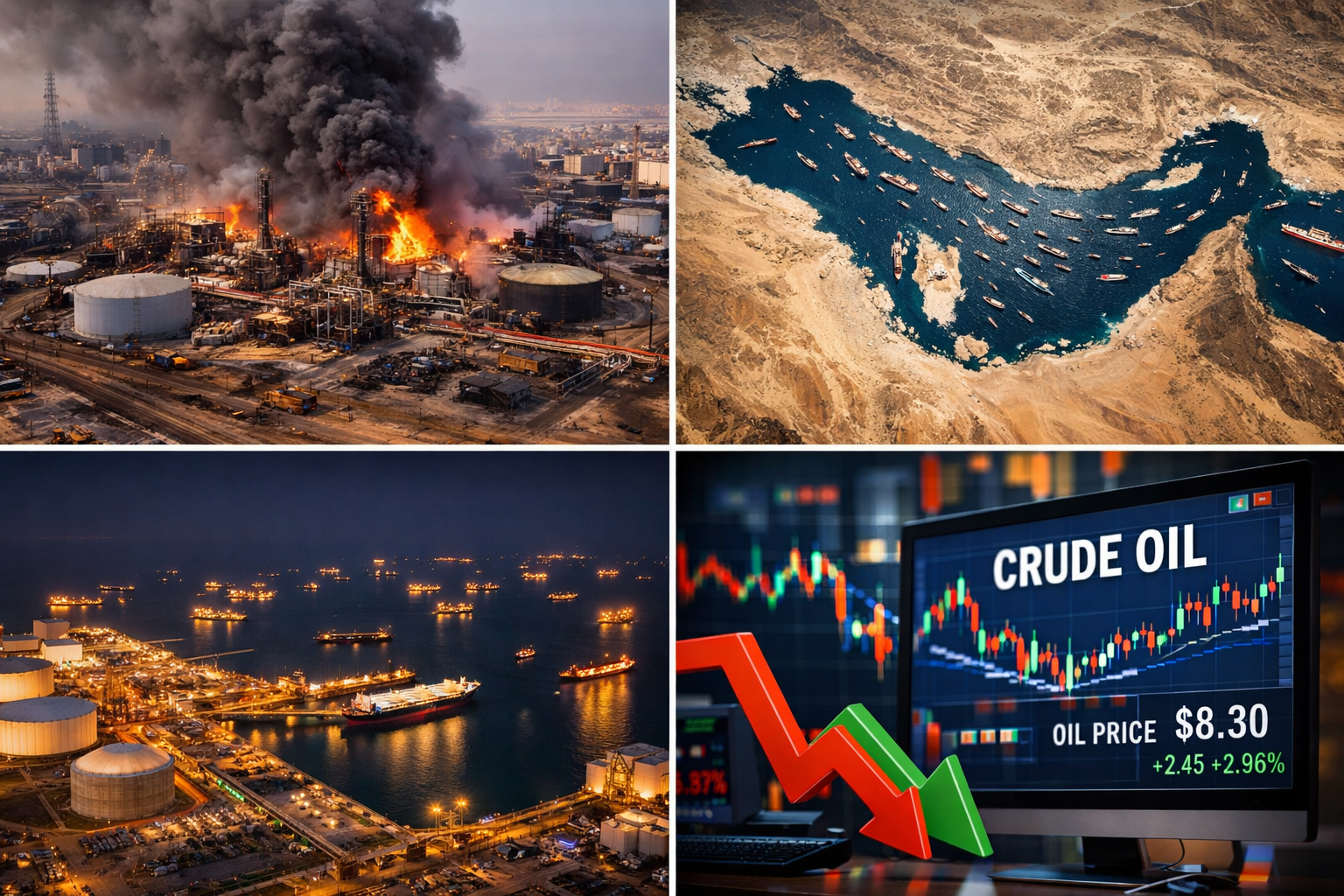
Supply Disruptions, Hormuz Tensions, and Fragile Ceasefire Keep Global Markets on Edge
The International Energy Agency (IEA) has issued a stark warning: energy production across West Asia may take up to two years to fully recover from the ongoing geopolitical conflict involving Iran. The disruption, which has rattled oil and gas markets, is expected to have prolonged implications for global supply chains, energy prices, and economic stability.
IEA Executive Director Fatih Birol highlighted that recovery timelines will differ significantly across countries. While major producers like Saudi Arabia may restore output relatively quickly due to stronger infrastructure, others such as Iraq could face extended delays due to structural vulnerabilities and damage to key facilities.
Uneven Recovery Across Key Oil Producers
Supply Disruptions, Hormuz Tensions, and Fragile Ceasefire Keep Global Markets on Edge
The IEA estimates that, on average, it will take around two years for regional output to return to pre-conflict levels. This prolonged recovery phase raises concerns about sustained volatility in global oil and gas markets, particularly if disruptions persist or escalate.
Strait of Hormuz: The Critical Chokepoint
A major concern remains the Strait of Hormuz, through which nearly a fifth of the world’s oil supply passes. Any disruption in this narrow maritime corridor can send shockwaves across global markets.
Recent tensions have led to heightened military presence and operational risks for commercial shipping. Global powers are actively working to ensure safe passage for tankers, but uncertainty remains high. Even minor incidents in the region have historically triggered sharp spikes in crude prices.
Global Economic Impact and Supply Chain Stress
The ripple effects of the crisis are already visible. Airlines are adjusting routes, insurers are raising premiums for shipments, and companies are bracing for delays in energy supplies. According to Birol, the global economy remains highly sensitive to such geopolitical shocks, where even limited disruptions can have outsized consequences.
Supply chain instability, coupled with elevated energy prices, could weigh on industrial output and inflation across major economies. Emerging markets, particularly energy importers like India, may face additional pressure on trade balances and currency stability.
Diplomatic Moves and Ceasefire Uncertainty
On the geopolitical front, efforts are underway to stabilize the region. Donald Trump stated that while a ceasefire with Iran is currently in place, its extension remains uncertain. However, he expressed optimism that ongoing negotiations could lead to a broader agreement, particularly concerning nuclear restrictions.
At the same time, international coordination is intensifying. Leaders including Keir Starmer and Emmanuel Macron are expected to engage in high-level discussions aimed at reopening critical shipping routes and maintaining maritime security.
Energy Transition Back in Focus
Interestingly, the crisis may accelerate structural shifts in global energy strategy. With fossil fuel supply routes proving vulnerable, several nations are reconsidering nuclear energy and renewables as more stable alternatives.
The IEA has previously emphasized the importance of diversification in energy sourcing. The current conflict reinforces that urgency, as countries seek to insulate their economies from geopolitical risks tied to traditional energy corridors.
Market Outlook: Volatility Likely to Persist
For investors and market participants, the near-term outlook remains uncertain. Crude oil prices are expected to remain volatile, with any escalation in tensions potentially triggering sharp upward movements. At the same time, diplomatic breakthroughs could ease supply concerns and stabilize markets.
In the medium term, the pace of recovery in West Asia’s energy output will be a key determinant of global energy pricing trends. Until then, markets are likely to remain highly reactive to geopolitical developments, making risk management and strategic positioning crucial for investors.
Bottom Line:
The West Asia conflict has evolved into a critical risk factor for global energy markets. With a two-year recovery horizon in sight and ongoing geopolitical uncertainty, the world economy remains closely tied to developments in one of its most vital energy-producing regions.